Roofing Leads from Meta Ads: What to Do After Receiving a Lead
Roofing Leads from Meta Ads: What to Do After Receiving a Lead
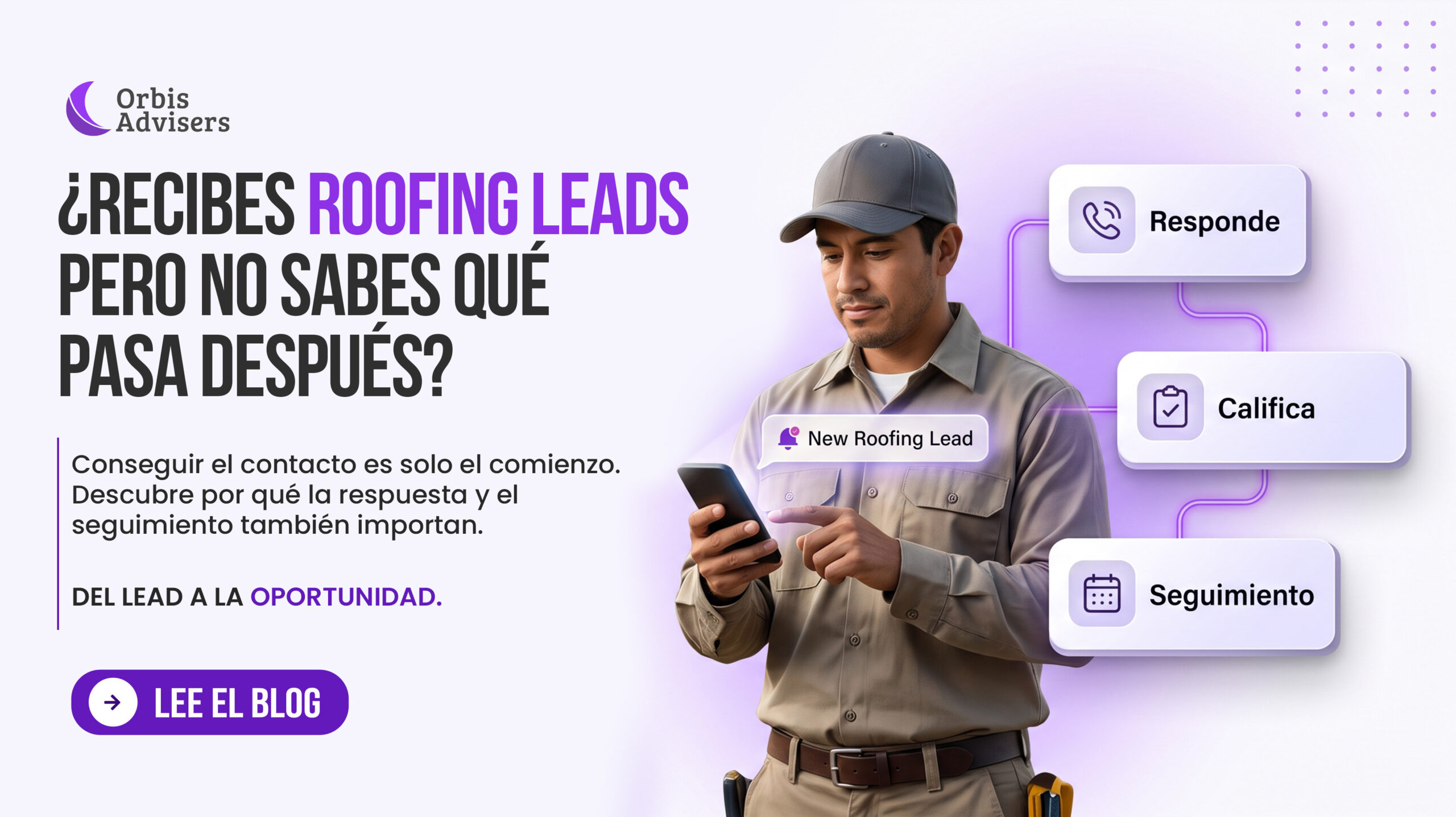
A notification appears on your phone. A homeowner left their contact information because they're interested in roofing services. The campaign achieved something important:
It created an opportunity for contact.
But the work doesn't end there. One of the mistakes a roofing company can make is to evaluate a strategy solely based on the number of leads received, without analyzing what happens after they come in. A high number in the report looks good; what matters is what happens with each of those leads.
A lead isn't automatically a customer
A lead is someone who took an action: filled out a form, sent a message, or provided their contact information. That doesn't mean they'll automatically sign up for the service. There may still be important questions:
- What service do you need?
- Is it within your coverage area?
- When do you need to complete the project?
- Are you already getting other quotes?
- Is it possible to contact him?
The campaign can start the conversation. The sales process must continue it.
1. Reply
Imagine that a homeowner requests information about roof repair. He submits the request. He waits. He doesn't receive a response. In the meantime, he contacts another company.
An opportunity can be lost even if the advertising has fulfilled its initial purpose. That’s why having a process for reviewing and responding to new leads is an important part of the strategy—not just a minor detail to be addressed when there’s time.
2. Evaluate the opportunity
Not all leads necessarily match the type of project you're looking for. A roofing company may primarily handle roof replacements but receive an inquiry about a service it doesn't offer. It may also receive leads from outside its service area. Qualifying leads helps you understand five things:
Service | What kind of job is the prospect looking for? |
Location | If you are within the coverage area. |
Need | What problem are you trying to solve? |
Time | When would you like to carry out the project? |
Feasibility | If the request relates to the services offered by the company. |
This helps determine which opportunities should move on to the next step and prevents the team from wasting time on leads that were never going to turn into projects.
3. Follow up
Not everyone makes a decision during the first call. Some are comparing options. Others are still evaluating the budget. Some want to start the project in a few weeks.
Without follow-up, those opportunities may be forgotten. An organized process helps keep the conversation going until the customer is ready to make a decision.
- Suggested internal link: “Roofing Marketing: Digital Strategy for Roofing Companies” → /services/digital-marketing-for-roofing
See what happens after the lead
The number of contacts is a useful metric, but it doesn't tell the whole story. It's also important to understand:
- How many inquiries were handled?
- How many of them were related to the services offered?
- How many were covered?
- How many moved toward a quote?
This information can help you better understand the quality and performance of the process, and determine whether the problem lies with the campaign or with what happens after it ends.
Marketing and Sales Need to Communicate
A campaign can create opportunities. But then people, processes, and decisions come into play. That’s why marketing shouldn’t be completely separate from the sales process. The entire journey might look like this:
Meta Ads | → | Contact | → | Answer | → | Grade | → | Follow-up |
Each stage influences the next.
Don't just look for more leads
More leads don't necessarily solve a problem if the process isn't set up to handle them. Before increasing the volume, it's also a good idea to review what happens to the leads that are already coming in: how many are responded to, how many are qualified, and how many are actually followed up on.
At Orbis Advisers, we help home services companies develop digital strategies aligned with their business objectives and processes.
- Suggested internal link: “META Ads for Roofing Companies (Blog Post 1 in the Series)” → /blog/meta-ads-for-roofing-companies
- Suggested internal link: “What a META Ads Campaign for a Roofing Company Should Include (Blog Post 2 in the Series)” → /blog/what-a-meta-ads-ad-for-roofing-should-include
Want to find out what your roofing company really needs?
At Orbis Advisers, we analyze your business, services, coverage, and digital presence to help you identify which strategy is best aligned with your goals.
Request your free digital assessment (Click here)
Ready to attract more customers and grow your business?
Be the first to receive strategies, trends, and tips to help grow your business.


Orbis Advisers. All rights reserved.
Ready for more people to learn about your business?
Be the first to receive trends, inspiration, and exclusive news.
Orbis Advisers. All rights reserved.